Serving Plaintiff & Defense Attorneys Nationwide
(702) 696-8745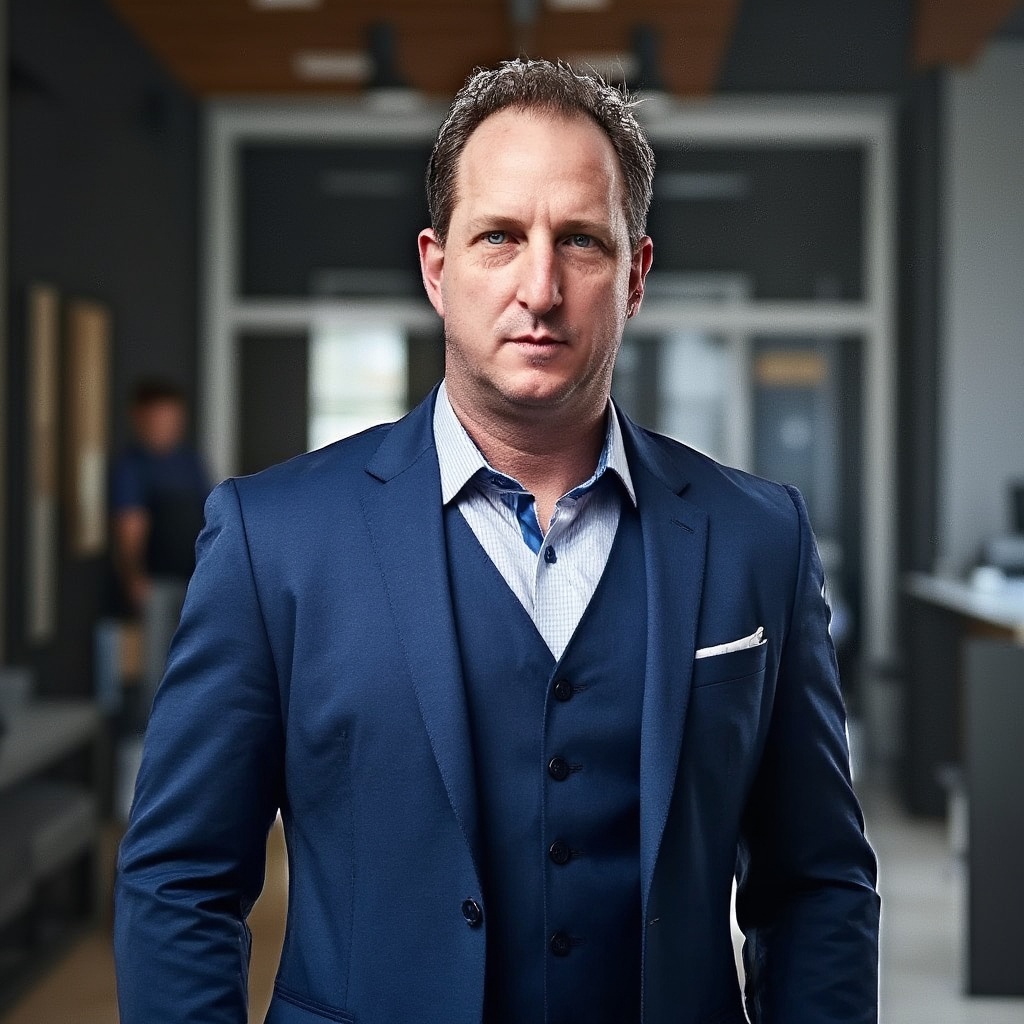
Written by
Ryan Dahlstrom
Experienced Hospitality Expert Witness · 35+ Years Industry Experience · Plaintiff & Defense
This guide covers the qualifications, questions, and red flags attorneys should consider when retaining an expert in dram shop, liquor liability, negligent security, and premises liability cases. Here's what to look for.
Why Hospitality Cases Require Specialized Experts
Hospitality litigation — dram shop, liquor liability, negligent security, premises liability — involves industry-specific standards that are not codified in statutes. What constitutes reasonable security staffing at a nightclub? What does responsible alcohol service look like in a high-volume bar? These questions are best answered by someone who has operated in that environment and can explain the standards in practical terms.
Key Qualifications to Evaluate
Start with the one qualification that cannot be acquired in a classroom: has this person actually run a licensed establishment? Ask how many years they spent owning or managing bars, restaurants, nightclubs, hotels or casinos — and in what roles. From there, look for working familiarity with state and local alcohol regulations, hands-on responsibility for security operations in entertainment venues, experience training and supervising service staff, a track record of accepted expert testimony, and the ability to explain complex industry practice in plain language. References from attorneys who have retained the expert before are worth the phone call. Certifications support, but do not replace, hands-on experience managing service staff and difficult guests.
What Operating Experience Adds
The single most common weakness in a hospitality expert is that they have never worked in hospitality. Plenty of people offer opinions in this field on the strength of a credential, a consulting practice, or a career in law enforcement or academia — and on paper they can look qualified. Put them on cross and the gap shows. They cannot say what a bartender is actually watching during a rush, how a POS system records a comped round, why a door team lets one group in and turns another away, or what a manager realistically sees from across a crowded room. Those answers come from having done the job, not from having studied it. A jury notices the difference immediately: an operator tells them what happened that night in language they recognize, while a paper expert recites standards without being able to ground them in the room. Ask any candidate directly — what venues have you personally run, in what role, and for how long? If the answer is vague, or the experience is entirely advisory, keep looking.
Questions to Ask Before Retaining an Expert
Before signing an engagement agreement, ask: Have you testified in cases with similar fact patterns? Have your opinions ever been excluded under Daubert or Frye? Are you available to consult during discovery, not just at trial? Can you provide written reports that meet the requirements of FRCP 26(a)(2)? What is your fee structure and availability? A qualified expert should answer these questions confidently and transparently.
Red Flags to Watch For
Be cautious of experts who: have never held an operating role in the industry and testify purely from credentials, research or consulting work; cannot name the specific venues they have run and in what capacity; have been excluded from testifying in prior cases; offer opinions outside their area of expertise; are unwilling to acknowledge weaknesses in their position; or charge fees well below market without explanation. The best experts are selective — they only accept cases where they can render an honest, defensible opinion.
About Ryan Dahlstrom
Ryan Dahlstrom is a experienced hospitality expert witness with over 35 years of direct industry experience — managing and operating bars, nightclubs, restaurants, hotels, casinos and live entertainment venues before ever testifying about them. He has been retained by plaintiff and defense attorneys in dram shop, liquor liability, negligent security, and premises liability cases across the country.
About the Author
Ryan Dahlstrom
Ryan Dahlstrom is a experienced hospitality expert witness with over 35 years of direct industry experience — managing and operating bars, nightclubs, restaurants, hotels, casinos and live entertainment venues before ever testifying about them. He has been retained by plaintiff and defense attorneys in dram shop, liquor liability, negligent security, and premises liability cases across the country.
Previous
What Is a Negligent Security Expert Witness?
Next
How Dram Shop Laws Differ by State: What Attorneys Need to Know
Related Services
Expert Witness Services by Ryan Dahlstrom
Dram Shop Expert Witness
Alcohol over-service liability and dram shop act cases.
Learn MoreLiquor Liability Expert Witness
Third-party liability for alcohol-related injuries.
Learn MoreNegligent Security Expert Witness
Inadequate security at bars, clubs, and hospitality venues.
Learn MorePremises Liability Expert Witness
Duty of care standards for hospitality property owners.
Learn MoreSlip, Trip & Fall Expert Witness
Floor safety and hazard standards in hospitality settings.
Learn MoreRetain an Expert Witness
Ready to Discuss Your Case?
Ryan Dahlstrom provides expert witness services for plaintiff and defense attorneys nationwide. Contact Ryan to discuss your case.
Request a Consultation