Serving Plaintiff & Defense Attorneys Nationwide
(702) 696-8745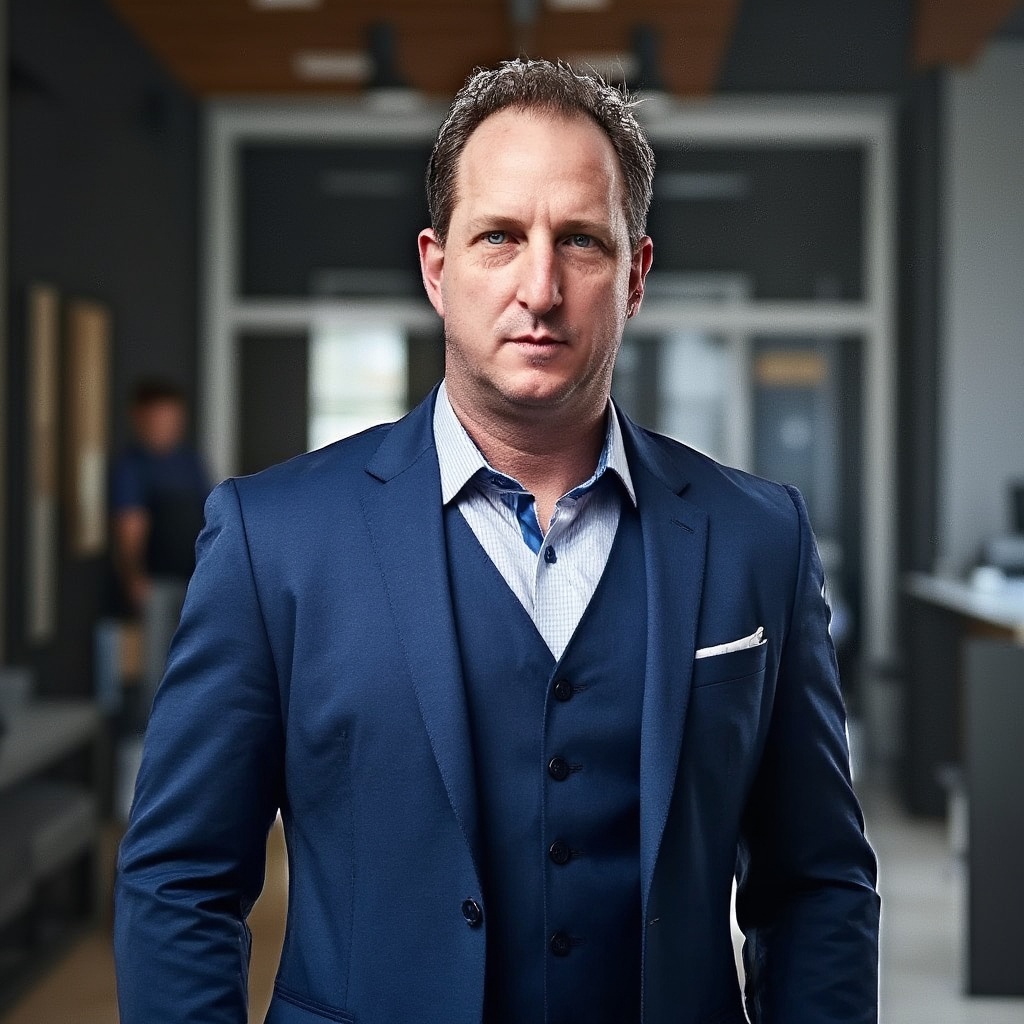
Written by
Ryan Dahlstrom
Experienced Hospitality Expert Witness · 35+ Years Industry Experience · Plaintiff & Defense
Understanding the applicable statute is the first step in evaluating a dram shop claim or defense.
What Are Dram Shop Laws?
Dram shop laws are statutes that impose civil liability on alcohol-serving establishments — bars, restaurants, nightclubs, hotels, and retail liquor stores — when they serve alcohol to a person who subsequently causes injury to a third party. The term 'dram shop' dates to 18th-century England, where spirits were sold by the 'dram' (a unit of measurement). Most states impose some form of liability on alcohol sellers by statute or common law, but several do not recognize dram shop claims against licensed establishments, and the standards vary significantly by jurisdiction.
States With Strong Dram Shop Statutes
Some states have broader dram shop statutes. In Texas, Tex. Alco. Bev. Code § 2.02 permits liability where it was apparent to the provider that the individual was obviously intoxicated to the extent of presenting a clear danger to himself and others, and the intoxication was a proximate cause of the damages; the § 106.14 'Safe Harbor' can shield employers whose employees completed TABC-approved seller training. Illinois has a broad Dramshop Act that covers both on-premises and off-premises sales. New Jersey's statute covers service to visibly intoxicated persons and minors. In these states, the key factual question is whether the patron was visibly intoxicated at the time of service — which is where an expert witness's testimony about observable signs of intoxication becomes critical.
States With Limited or No Dram Shop Liability
A handful of states have limited or no statutory dram shop liability. Virginia, for example, has historically provided immunity to licensed establishments in most circumstances. Maryland does not recognize dram shop liability against commercial alcohol vendors, although its high court has recognized a narrow claim against adults who knowingly allow underage persons to drink. Kansas does not recognize dram shop liability, and Louisiana (La. R.S. 9:2800.1) generally shields sellers who serve persons of legal drinking age, subject to narrow exceptions. In these states, claims arising from alcohol-related incidents at a venue often turn instead on premises liability, security, or other operational issues.
The Role of Expert Testimony in Dram Shop Cases
Regardless of the applicable state statute, expert testimony is almost always necessary in dram shop cases. The central factual question — whether the patron was 'visibly intoxicated' or 'obviously intoxicated' at the time of service — requires specialized knowledge of the behavioral and physiological signs of alcohol intoxication, as well as industry standards for responsible beverage service. An expert witness can explain to a jury what a trained bartender or server should have observed, what responsible service protocols require, and how the establishment's conduct deviated from industry norms.
How Ryan Dahlstrom Can Help
Ryan Dahlstrom has been retained as a dram shop expert witness in cases across the country, in jurisdictions with widely varying statutory frameworks. His opinions are grounded in decades of direct operational experience in licensed establishments. Whether a case arises under a dram shop statute or a common-law negligence theory, Ryan provides the industry context that attorneys, courts, and juries need to evaluate the evidence.
About the Author
Ryan Dahlstrom
Ryan Dahlstrom is a experienced hospitality expert witness with over 35 years of direct industry experience — managing and operating bars, nightclubs, restaurants, hotels, casinos and live entertainment venues before ever testifying about them. He has been retained by plaintiff and defense attorneys in dram shop, liquor liability, negligent security, and premises liability cases across the country.
Previous
How to Find the Right Hospitality Expert Witness for Your Case
Next
Liquor Liability Laws by State: What Attorneys Need to Know
Related Services
Expert Witness Services by Ryan Dahlstrom
Dram Shop Expert Witness
Alcohol over-service liability and dram shop act cases.
Learn MoreLiquor Liability Expert Witness
Third-party liability for alcohol-related injuries.
Learn MoreNegligent Security Expert Witness
Inadequate security at bars, clubs, and hospitality venues.
Learn MorePremises Liability Expert Witness
Duty of care standards for hospitality property owners.
Learn MoreSlip, Trip & Fall Expert Witness
Floor safety and hazard standards in hospitality settings.
Learn MoreRetain an Expert Witness
Ready to Discuss Your Case?
Ryan Dahlstrom provides expert witness services for plaintiff and defense attorneys nationwide. Contact Ryan to discuss your case.
Request a Consultation