Serving Plaintiff & Defense Attorneys Nationwide
(702) 696-8745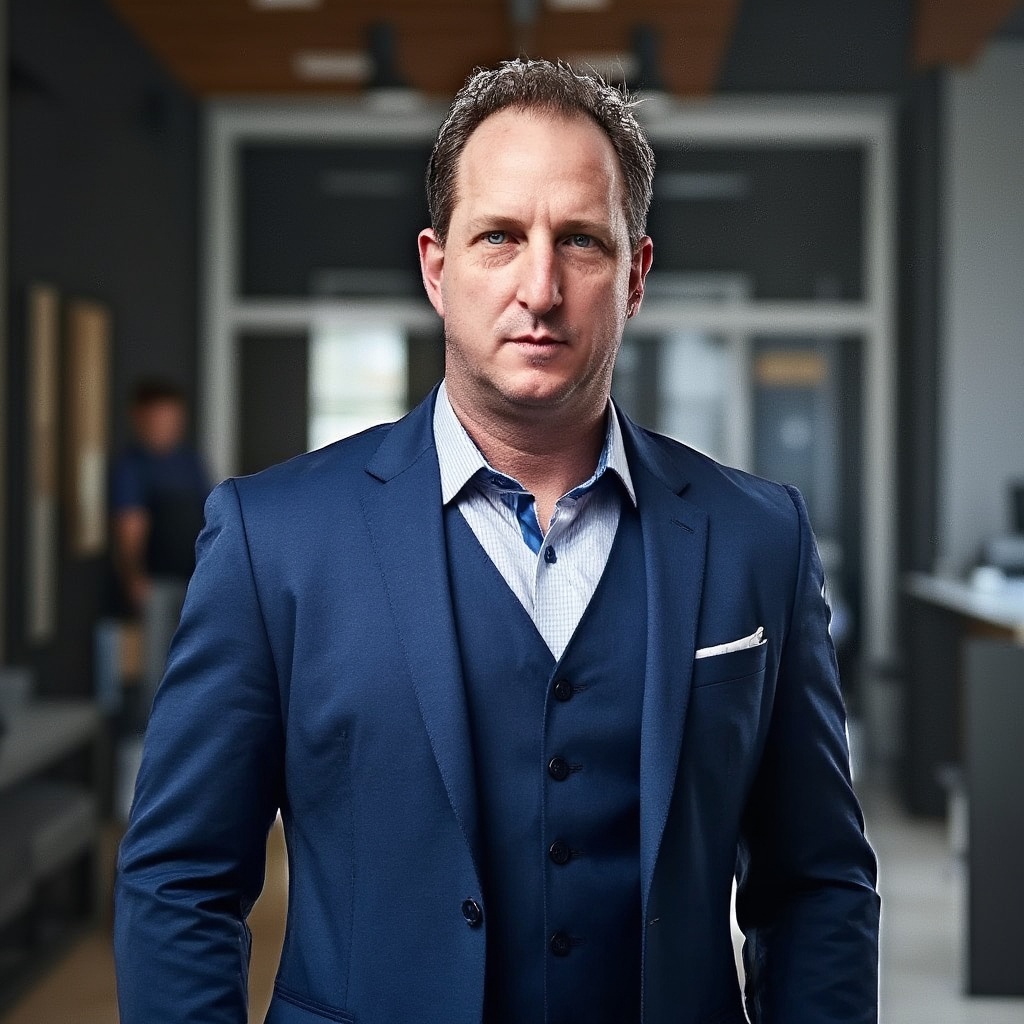
Written by
Ryan Dahlstrom
Experienced Hospitality Expert Witness · 35+ Years Industry Experience · Plaintiff & Defense
Liquor liability laws vary significantly from state to state — some impose broad third-party liability, others protect licensed establishments with statutory caps or immunity provisions. Understanding the applicable framework is essential before retaining an expert witness.
What Are Liquor Liability Laws?
Liquor liability laws govern the civil responsibility of alcohol-serving establishments — bars, restaurants, nightclubs, hotels, and retail liquor stores — for harm caused by intoxicated patrons. Liquor liability is a broader term than dram shop liability. It can include claims against social hosts and event organizers and, in some states, claims by the intoxicated person, although many states bar or restrict those first-party claims. The central legal question in most cases is whether the establishment knew or should have known the patron was intoxicated before continuing to serve — and what a reasonably prudent operator would have done differently.
How Liquor Liability Laws Vary by State
No two states treat liquor liability identically. Some states impose liability through a specific dram shop statute that also covers liquor liability claims; others rely on common-law negligence principles. Key variables include: whether liability extends to the intoxicated patron themselves (first-party claims) or only to injured third parties; whether the plaintiff must prove the patron was 'visibly intoxicated' at the time of service; whether there are statutory caps on damages; and whether the state recognizes a responsible-service defense, such as the Texas 'Safe Harbor' for employers whose employees completed approved seller training. Counsel should identify the governing state framework at the outset of any alcohol-service claim.
States With Broad Liquor Liability Exposure
Exposure varies considerably. California largely immunizes licensees under Business and Professions Code § 25602(b) and Civil Code § 1714; the narrow exception in § 25602.1 applies to the sale of alcohol to an obviously intoxicated minor. Florida (Fla. Stat. § 768.125) generally shields alcohol sellers, with liability limited to willfully and unlawfully selling to a person under 21 or knowingly serving a person habitually addicted to alcohol. New York's Dram Shop Act (Gen. Oblig. Law § 11-101; ABC Law § 65) allows third parties injured by a person who was unlawfully served while visibly intoxicated to recover against the seller; the intoxicated person cannot recover. In these states, the standard of care for responsible alcohol service is a central issue, and both sides commonly offer expert testimony about industry norms.
States With Limited or Qualified Liquor Liability
Other states have enacted significant limitations on liquor liability claims. Colorado (C.R.S. § 44-3-801) limits licensee liability to willfully and knowingly serving a visibly intoxicated person or a person known to be under 21, caps damages, and sets a short filing deadline. Arizona (A.R.S. § 4-311) imposes liability where a licensee sold to a purchaser who was obviously intoxicated, or to an underage purchaser without requesting identification, and the consumption was a proximate cause of the injury. Georgia (O.C.G.A. § 51-1-40) limits liability to willfully, knowingly, and unlawfully serving a person under 21, or knowingly serving a noticeably intoxicated person while knowing that person will soon be driving. In these jurisdictions, the factual record — surveillance footage, point-of-sale data, server training logs — is critical, and an expert witness who can interpret that evidence against industry standards is essential.
The Role of Expert Testimony in Liquor Liability Cases
Regardless of the applicable state statute, expert testimony is almost always necessary in liquor liability cases. The central factual question — whether the patron was visibly or obviously intoxicated at the time of service — requires specialized knowledge of the behavioral and physiological signs of alcohol intoxication, as well as industry standards for responsible beverage service. An expert witness can explain to a jury what a trained bartender or server should have observed, what responsible service protocols require, and how the establishment's conduct deviated from industry norms. Expert testimony is also valuable in establishing the applicable standard of care for security staffing, patron management, and incident response.
How Ryan Dahlstrom Can Help
Ryan Dahlstrom has been retained as a liquor liability expert witness in cases across the country, in jurisdictions with widely varying statutory frameworks. His opinions are grounded in decades of direct operational experience in licensed establishments, including management of bars, nightclubs, and hospitality venues. Whether your case involves a broad liability statute or a jurisdiction with significant limitations, Ryan can provide the industry context that attorneys and juries need to evaluate the evidence and understand the standard of care.
About the Author
Ryan Dahlstrom
Ryan Dahlstrom is a experienced hospitality expert witness with over 35 years of direct industry experience — managing and operating bars, nightclubs, restaurants, hotels, casinos and live entertainment venues before ever testifying about them. He has been retained by plaintiff and defense attorneys in dram shop, liquor liability, negligent security, and premises liability cases across the country.
Related Services
Expert Witness Services by Ryan Dahlstrom
Dram Shop Expert Witness
Alcohol over-service liability and dram shop act cases.
Learn MoreLiquor Liability Expert Witness
Third-party liability for alcohol-related injuries.
Learn MoreNegligent Security Expert Witness
Inadequate security at bars, clubs, and hospitality venues.
Learn MorePremises Liability Expert Witness
Duty of care standards for hospitality property owners.
Learn MoreSlip, Trip & Fall Expert Witness
Floor safety and hazard standards in hospitality settings.
Learn MoreRetain an Expert Witness
Ready to Discuss Your Case?
Ryan Dahlstrom provides expert witness services for plaintiff and defense attorneys nationwide. Contact Ryan to discuss your case.
Request a Consultation